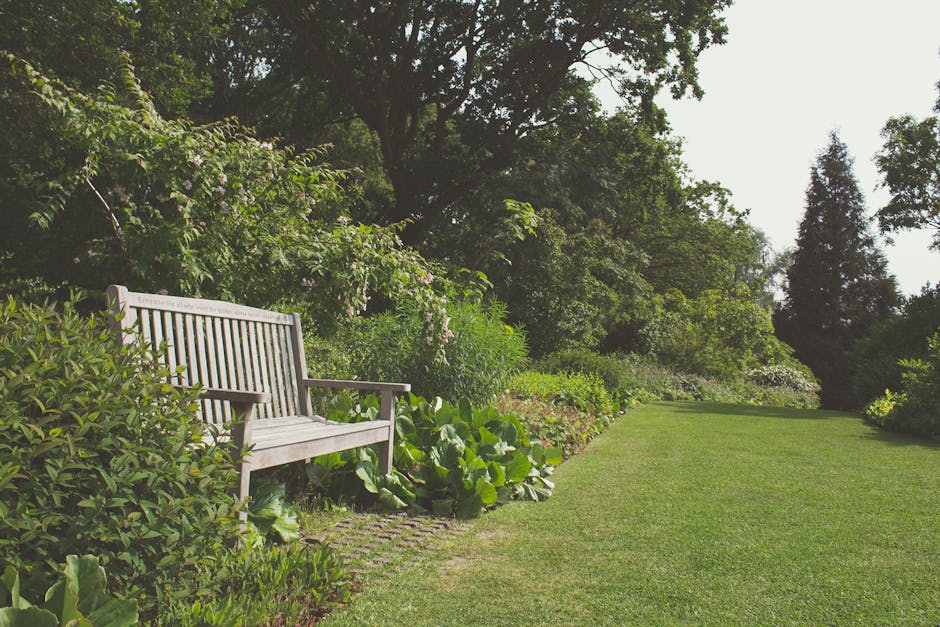
Gardening Services in Barnet

Gardening Services Barnet provides practical help for domestic and commercial outdoor spaces, with work shaped around the condition of the garden, the season and the tasks that need attention most. Our main service covers routine maintenance, tidy-up work and targeted improvements that keep lawns, borders, hedges and planted areas under control. If you need regular upkeep or a one-off visit, the aim is to leave the space neat, manageable and ready for normal use.
We can support garden maintenance that keeps on top of the jobs that tend to build up through the year. That may include grass cutting, edging, hedge trimming, clearing leaves, removing weeds and checking over areas that have become overgrown. Where a garden needs a broader reset, we can also look at heavier clearance and preparation work so the space is easier to maintain afterwards. Garden maintenance is often the starting point when a property needs steady upkeep rather than a single cosmetic visit.
For properties that need a more noticeable tidy-up, our work can include cutting back growth, reshaping boundaries and dealing with cluttered or untidy outside areas. The exact scope depends on access, plant type and how much cutting or clearing is required, but the overall goal is simple: create a cleaner, safer and more usable garden. Garden clearance is particularly useful where brambles, built-up waste or long-neglected areas need more than a routine trim.
Routine care for lawns, hedges and borders
Regular garden work is usually easiest to manage when each part of the space is treated as its own task. Lawns may need consistent cutting and edging, while hedges benefit from controlled trimming that keeps growth even and prevents the garden from feeling closed in. Borders and beds often need weeding, light tidying and attention to the shape of planting so that healthy growth is not hidden by dead material or competing weeds. Lawn mowing and trimming work sit naturally alongside this kind of upkeep.
We also look at the balance between neat appearance and plant health. Some shrubs respond well to more frequent shaping, while others should be reduced more carefully to avoid damage or poor regrowth. A sensible approach keeps cut lines tidy without stripping the structure out of the garden. Hedge trimming can be used to keep boundaries sharp, improve light and maintain a more organised finish across the plot.
Useful garden care often depends on simple priorities. You may want to focus first on the parts that change the appearance of the whole space, then move on to less visible areas. In practice that usually means one or more of the following:
- cutting back obvious overgrowth
- removing weeds from paths, beds and edges
- shaping hedges and shrubs
- topping and tidying lawns
- clearing fallen material and light debris
Designing and improving outdoor space
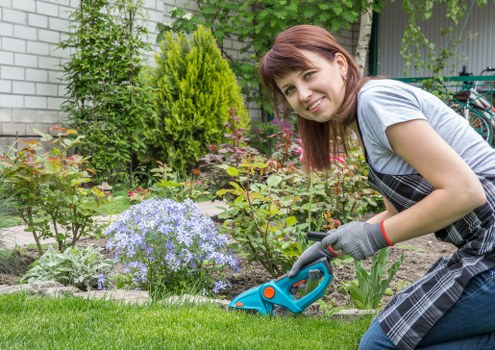
Some gardens need more than maintenance and benefit from structural work that changes how the space is laid out and used. Landscape gardening can involve reshaping levels, refreshing planting, improving access or combining hard and soft features so the garden feels more coherent. This type of work is usually chosen when the existing arrangement no longer fits the property, or when an outside area needs clearer definition and better flow.
Landscape gardening is often a good fit when borders, open areas and pathways all need to work together. A considered plan can make a small garden feel less cramped and a larger one feel less fragmented. It may also help when the existing layout has grown in stages over time and now feels disconnected. The emphasis is on practical changes that improve the overall shape, rather than purely decorative touches.
Where a project is more build-focused, landscaping can bring together preparation, installation and finishing touches. That may include preparing the ground, adjusting levels, introducing new surfaces or supporting planting that completes the design. Good landscaping is not only about how it looks on the day the work ends; it is also about how the area performs as planting settles in and seasonal growth returns.
Decking and usable outdoor areas
Decking can create a defined place for sitting, moving between parts of the garden or making a transition from the house to the rest of the plot. It is useful where uneven ground, damp soil or awkward changes in level make another surface more practical. Depending on the setting, the work may be part of a larger garden improvement or a focused addition to a specific corner or access route. Decking services usually suit gardens where a hard-wearing surface will make the space easier to enjoy and maintain.
When planning this kind of work, materials and shape need to suit the way the garden is used. A narrow section for stepping out is different from a wider area intended for seating or outdoor movement. Drainage, height, boundary lines and the relationship to existing planting all matter, because a new deck should sit naturally within the garden rather than dominate it. Careful planning helps the finished area feel deliberate and usable.
Some customers look for a surface that reduces muddy patches, while others want a feature that links different parts of the outside space. Either way, a clear brief helps avoid unnecessary alterations later. Where decking sits alongside planting or maintenance work, it can be integrated with trimming, clearance and general tidying so the whole garden feels coordinated rather than patched together.
Tree, shrub and boundary management
Trees and larger shrubs can add structure and character, but they also need attention when they begin to block light, lean across boundaries or grow into unwanted shapes. Careful cutting can improve balance while keeping the plant healthy where possible. In some cases, selective reduction is all that is needed; in others, removal may be the better option if the tree is unsuitable for the position or is causing ongoing problems. Tree lopping and removal is most relevant when size, safety or access become the main concern.
The work around woody growth should be proportionate to the species, the location and the condition of the plant. Some trees respond well to reduction, while others need a more measured approach that preserves their structure. If branches are overhanging buildings, paths or neighbouring plots, the cut needs to be deliberate and controlled. We keep the focus on the practical outcome: restoring light, space and order without unnecessary disturbance to the rest of the garden.
Hedges, climbers and self-seeded growth can also create boundary issues when they spread beyond their intended area. This is where regular attention makes a real difference, because the longer growth is left, the more time it can take to bring it back under control. If your garden has become difficult to see or move through, it may need a combination of trimming, cutting back and waste removal rather than a single quick pass.
Preparing a quotation and arranging the work

Quotation requests are usually clearer when they focus on the practical details that affect the job itself. That means the size of the garden, the type of work needed, how much growth or waste is present and whether there are any access limits. Pricing and quotes should reflect those details, because a simple mow, a hedge reduction and a full clearance each involve different levels of time and effort.
It also helps to think about the sequence of work. For example, a garden may need clearing before mowing, trimming before shaping, or maintenance before any improvement project can begin. If you are comparing options, it is sensible to identify the most urgent task first and then decide whether the rest of the garden can be handled at the same time. A concise description of the current condition often gives the clearest starting point for a quote.
Before requesting a quotation, it can be useful to gather a few basic details: what type of garden it is, which areas need attention, whether there is waste to remove and whether the work should be one-off or ongoing. That kind of information helps keep the discussion focused and avoids unnecessary back-and-forth. When you are ready, ask for a quotation and outline the main jobs you want covered.
Garden upkeep that supports safer, tidier access
Outdoor spaces are easier to use when paths, entrances and edges are kept clear. Overgrown planting can narrow movement routes, while fallen leaves, cuttings and weeds can make surfaces look neglected and feel awkward underfoot. Regular attention to these small but important details often improves the whole garden, because it reduces visual clutter and makes day-to-day use simpler. Services overview can help customers compare the main types of work before deciding how to prioritise them.
There is also a practical difference between light tidying and heavier intervention. Light tidying keeps visible areas under control, while heavier work may be needed if vegetation has been left for several seasons or if the garden has become difficult to access. In those cases, it may be sensible to combine trimming, clearance and general maintenance so the work can progress in a logical order. That approach is often more efficient than treating every issue separately.
Where access is tight or the garden contains many separate sections, it is often best to decide which surfaces, beds or boundary lines matter most. A clearer plan can help avoid repeated disturbance to the same areas. If the job involves several different tasks, it may be useful to talk through the priority order before the work begins so the most visible issues are dealt with first.
Working with planting, soil and seasonal changes
Gardens change through the year, and the right work depends on what is growing, what has died back and what needs space to recover. In spring and summer, the emphasis may be on controlling fast growth and keeping lawns neat; later in the year, the focus can shift to clearing fallen material and preparing the garden for slower growth. A steady approach avoids letting seasonal change turn into larger problems.
Planting areas can also benefit from selective attention. Removing weeds allows established plants to breathe, while careful pruning can improve shape without stripping away healthy structure. In mixed gardens, it is often important to avoid treating every plant in the same way. Stronger shrubs, delicate ornamentals and climbing plants all respond differently, so the work should reflect what is actually growing rather than applying a single method everywhere.
Useful decisions often come down to timing and priority. If a bed is full of dead stems, that may need attention before any new planting can be considered. If a lawn has uneven edges, cutting and edging may improve the whole appearance more quickly than focusing on decorative changes. For many customers, the key is to keep the garden functional now and improve it step by step rather than waiting for a perfect overhaul.
About Barnet
Barnet is a large north London district with a long history shaped by its position on routes linking the capital with Hertfordshire and beyond. The name is commonly associated with the historic market town and the wider London borough, and the area includes a mix of older settlements, suburban streets, green open spaces and busy local centres. High Barnet, one of the best-known parts of the district, preserves a sense of historic elevation and is still connected to the wider pattern of routes that once made the settlement important for travel and trade. The area’s geography is varied, with higher ground in some parts and more settled suburban development in others, giving it a layered character rather than a single uniform identity. Barnes Common is elsewhere entirely; Barnet’s own green spaces and public parks are part of what gives the district an outward-looking residential feel. The borough contains a broad range of architecture, from older buildings and terraces to later twentieth-century housing and commercial areas, and that mixture reflects long periods of change rather than one fixed era. Places of worship, schools, libraries and local shopping streets contribute to daily life, while transport links and the Underground extension at High Barnet connect the area to central London. The result is a district that combines local history, everyday services and access to open space in a way that remains distinct within the capital’s northern edge.
Garden work that is shaped around the site

Every garden has its own constraints, and good practical work depends on seeing how the space is arranged before deciding what to do first. A narrow side return, a deep back garden and a front area facing the street all raise different issues. Some spaces need simple tidying to recover order, while others need more involved cutting, clearance or reshaping. The point is to match the work to the layout rather than forcing the layout to suit a generic routine.
Where several tasks are needed, it is usually best to combine them in a sensible sequence. Clearing dead material can make trimming easier; trimming can make lawn work neater; and removing waste at the right stage helps the whole job finish cleanly. That is why a good gardening service is often about coordination as much as manual work. The garden looks better when the tasks support one another instead of being treated as separate, disconnected visits.
If you are planning improvements over time, it can help to think in terms of stages. A first visit may focus on bringing the site under control, after which the next stage can address shape, planting or longer-term changes. That staged approach is often more manageable for properties where the garden has been left to build up for a while. About us provides more background on the business, while the main priority here remains the garden itself and the results you want to achieve.
Making the most of regular maintenance
Regular maintenance works best when it is specific. A lawn that needs frequent cutting should not be treated the same way as a bed full of weeds, and a hedge that has become too tall should be handled differently from a shrub that just needs light shaping. That is why ongoing care is usually most effective when the work is based on what each part of the garden actually needs. Contact us if you want to discuss the current condition of the space and the type of visit that suits it best.
Maintenance also helps prevent bigger clean-up jobs later on. Small jobs, done consistently, can stop growth from becoming dense enough to block light or paths, and they can reduce the amount of waste that builds up after storms or seasonal changes. For many properties, the real benefit of regular care is not simply appearance; it is that the garden stays easier to manage, easier to inspect and less likely to become overwhelming.
When the space has already fallen behind, the answer may be a one-off reset followed by lighter follow-up work. That can create a more practical rhythm than trying to correct everything at once. If you would like support with maintenance, clearance or improvement work, request a quotation and set out the main priorities so the scope can be matched to the garden.
Clearer gardens, simpler upkeep

Gardening Services Barnet is centred on making outdoor areas more orderly, usable and straightforward to look after. Whether the task is routine mowing, hedge trimming, full clearance or a more involved landscaping project, the work should leave the garden easier to understand and less demanding to maintain. A clear plan, the right level of cutting and a sensible approach to waste all contribute to a better result, especially when the space has multiple areas that need attention in different ways.
The most useful next step is usually to decide what matters most: restoring a neglected garden, keeping an established one in shape, or improving the layout and surfaces so the space works better day to day. Once that is clear, the scope of work becomes easier to describe and the quotation process becomes more straightforward. If you are comparing options or simply want to move from ideas to action, the main thing is to be specific about the jobs that matter.
For a practical response to your garden, the simplest approach is to outline the key tasks and ask for a quotation. Whether you need maintenance, clearance, landscaping or decking, we can help shape the work around the condition of the site and the outcome you want. Request a quotation today.