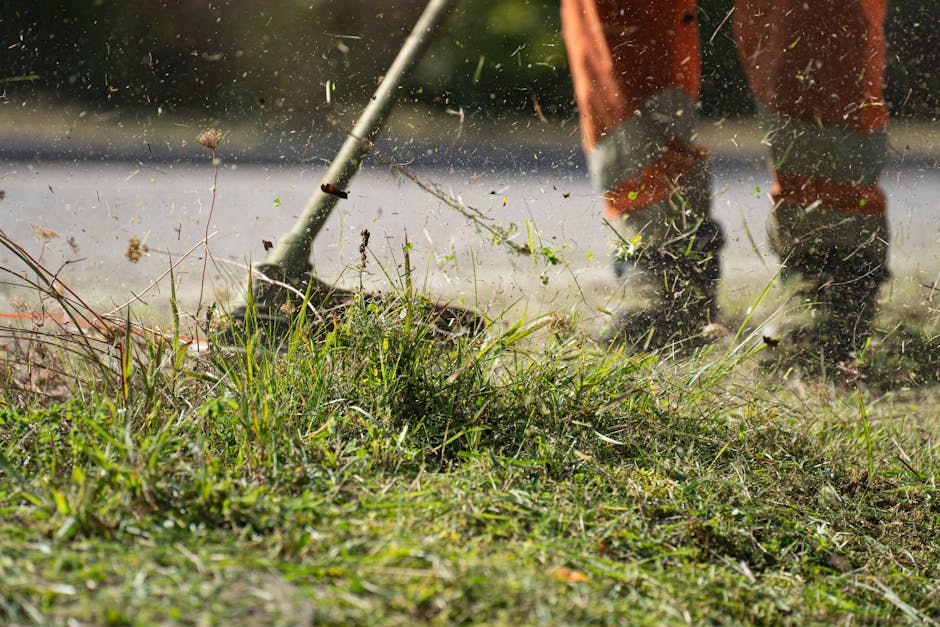
Gardeners near Barnet Market best local services: how to choose the right local team for a healthier garden
If you live, work, or shop around Barnet Market, you already know the area has its own rhythm: busy pavements, compact front gardens, hidden rear spaces, and the kind of outdoor areas that can look tired very quickly if they are left alone for a few weeks. Finding gardeners near Barnet Market best local services is not just about hiring someone to cut the grass. It is about getting dependable, well-timed help from people who understand local gardens, local access issues, and what good maintenance actually looks like in a real London setting.
In this guide, we will break down how local gardening services work, what separates a decent service from a great one, and how to choose help that fits your space, budget, and expectations. You will also find a practical checklist, a comparison table, and a few honest observations from the sort of jobs that tend to matter most in day-to-day garden care. Nothing fancy. Just useful, grounded advice.
Table of Contents
- Why Gardeners near Barnet Market best local services Matters
- How Gardeners near Barnet Market best local services Works
- Key Benefits and Practical Advantages
- Who This Is For and When It Makes Sense
- Step-by-Step Guidance
- Expert Tips for Better Results
- Common Mistakes to Avoid
- Tools, Resources and Recommendations
- Law, Compliance, Standards, or Best Practice
- Options, Methods, or Comparison Table
- Case Study or Real-World Example
- Practical Checklist
- Conclusion
- Frequently Asked Questions
Why Gardeners near Barnet Market best local services Matters
Local gardening support matters because gardens in and around Barnet Market tend to face a mix of challenges: limited space, heavier foot traffic, privacy concerns, shade from nearby buildings, and the usual London battle with weeds, moss, and seasonal clutter. A local gardener is often better placed to respond quickly, spot issues early, and work around the practical realities of the neighbourhood. That sounds simple, but it makes a big difference.
There is also the trust factor. When someone is working at your home, perhaps while you are out, you want more than a van and a mower. You want reliability, clear communication, and a service that feels organised from the first call. This is where choosing best local services becomes less about a slogan and more about the small details: punctual visits, tidy work, sensible advice, and honest expectations.
Truth be told, garden care can become one of those tasks people keep putting off. The grass gets longer, the beds get messier, and suddenly the whole place feels more demanding than it should. Good local gardeners help you get ahead of that cycle. Not by overcomplicating things. By keeping the garden manageable, season after season.
Expert summary: the best gardening service near Barnet Market is usually the one that combines local knowledge, clear pricing, safe working practices, and consistent results, not necessarily the cheapest quote.
How Gardeners near Barnet Market best local services Works
Most local garden services start with an enquiry, a short description of the space, and a conversation about what you actually need. That might be a one-off tidy-up, regular maintenance, a hedge cut, lawn care, planting, clearance, or a broader seasonal refresh. A good provider will ask practical questions before they quote. For example: Is there rear access? Is waste removal needed? Are there pets, children, or fragile borders to work around?
After that comes the assessment stage. In many cases, a gardener will either visit in person or ask for photos. This helps them judge the size of the job, the time needed, and whether special tools or extra labour will be required. That is especially helpful in local areas where gardens can be deceptively tricky: narrow side passages, basement access, shared spaces, or awkward slopes all affect the work.
Once a service is agreed, the practical part is straightforward. A gardener arrives, completes the work, clears up responsibly, and gives you a clearer sense of what to do next. For routine maintenance, that may mean a repeat schedule every few weeks. For seasonal work, it may mean a more occasional visit. Either way, the best services are easy to manage. No drama. No vague promises. Just tidy, consistent work.
If you are comparing providers, it helps to look at the full service picture rather than a single job type. A useful place to start is the services overview, which can help you understand how different garden tasks fit together.
Key Benefits and Practical Advantages
There are several reasons people keep coming back to local gardeners rather than trying to handle everything themselves. Some are obvious, others only become clear after a few seasons of DIY frustration. Let's face it, most gardens need more than enthusiasm.
- Faster response times: local teams can often arrange visits more quickly and keep appointments flexible.
- Better local understanding: they are more likely to understand the quirks of Barnet's residential layouts and seasonal conditions.
- Less hassle: no need to spend your own weekend wrestling with brambles, bin bags, or a blunt hedge trimmer.
- Improved curb appeal: a well-kept front garden makes a home feel cared for, even before anyone steps inside.
- Healthier planting: regular maintenance helps prevent overcrowding, pest build-up, and neglected soil.
- Safer outdoor spaces: clear paths, trimmed edges, and controlled growth reduce trip hazards and messy overgrowth.
There is also a quieter benefit: peace of mind. You look out at the garden after a rainy week in March and it does not feel like a problem waiting to happen. That is worth quite a lot, really.
For many households, the most practical advantage is simply consistency. One good visit can make a space look better; a reliable service makes it stay that way.
Who This Is For and When It Makes Sense
This kind of service is useful for a wide range of people, not just homeowners with large gardens. In fact, some of the most common requests come from people with modest outdoor spaces that are just hard to keep on top of. Small gardens can become messy very quickly, and a tiny front patch still needs regular care.
It makes sense if you are:
- a homeowner wanting regular maintenance without losing half your Saturday to it;
- a landlord trying to keep outdoor space tidy between tenancies;
- a busy professional who wants the garden presentable without the admin;
- an older resident who prefers practical help with heavier or awkward tasks;
- someone preparing a property for sale, letting, or an event;
- a family that wants the garden safe, usable, and not quite so wild after a busy few weeks.
It is also sensible when the job needs more than one pair of hands or a proper disposal plan. If the garden has become overgrown, or if there is lots of waste to remove, you will usually get better results from a structured local service than from a one-off attempt with household tools. No shame in that. Most people would rather spend the afternoon doing something else.
Those looking for a trusted local provider may also want to learn more about the team behind the service through the about us page, which can help you judge the company's approach and values before booking.
Step-by-Step Guidance
If you want to choose the right gardener near Barnet Market, a structured approach helps. The process is not complicated, but it does pay to be organised. Here is a practical way to do it.
- Define the job clearly. Decide whether you need maintenance, a tidy-up, hedge cutting, lawn care, clearance, planting, or a combination.
- Take a few simple photos. Wide shots and close-ups are ideal. They help a gardener understand the scale and condition of the space.
- Ask about availability. Check whether the service can offer a one-off visit, a repeat schedule, or both.
- Request a written quote. A clear quote should explain the work included, any exclusions, and any likely extras.
- Ask how waste will be handled. Green waste removal, recycling, and disposal should be covered in a transparent way.
- Check insurance and safety practices. This matters more than people think, especially for work involving tools, ladders, or heavier clearance.
- Agree on access and timing. Make sure everyone knows whether gates need to be unlocked, pets secured, or parking arranged.
- Review the first visit. After the job, look at finish quality, tidiness, and communication. That tells you a lot about whether to book again.
A small but useful tip: if a quote seems unusually low, ask exactly what is included. Sometimes the issue is not hidden fees, just missing work. And missing work has a habit of turning into more work later on.
For practical planning, the pricing and quotes page is a sensible next step if you want to understand how estimates are usually handled.
Expert Tips for Better Results
After enough garden jobs, a pattern starts to emerge. The best results usually come from clear instructions, realistic expectations, and doing the basics well. Not glamorous, but effective.
Here are some tips that genuinely help:
- Prioritise the problem areas first. A front hedge, a patchy lawn, or an overgrown access path often changes the whole feel of the property.
- Book seasonal work before things get urgent. Spring and early summer can get busy, so waiting until the garden is already untidy may limit flexibility.
- Be honest about the condition of the garden. It saves time and avoids surprise costs. A neglected border is not a crime, by the way.
- Ask for maintenance advice, not just labour. Good gardeners should be able to tell you what needs attention next and what can wait.
- Keep a simple schedule. Even rough monthly or fortnightly planning helps prevent the "all at once" panic.
Another useful habit is to photograph the garden after a good visit. It gives you a reference point for future maintenance and helps you spot gradual decline before it becomes obvious. Sounds minor, but it works.
If sustainability matters to you, ask how green waste is managed. A service with a sensible recycling approach can make a real difference, especially if you generate regular clippings, branches, and seasonal cuttings. You can also review the company's recycling and sustainability information for extra reassurance.
Common Mistakes to Avoid
A lot of garden service disappointment comes down to avoidable mistakes. Most are easy to fix once you know what to watch for.
- Choosing only on price. Cheap is not always bad, but the cheapest quote can leave out key work or rush the job.
- Not specifying the scope. "Tidy the garden" can mean five different things to five different people.
- Ignoring access issues. A locked gate, a shared path, or limited parking can slow the job down if nobody mentions it beforehand.
- Forgetting waste removal. Green waste piles up fast. If it is not in the plan, it becomes your problem.
- Expecting a neglected space to be transformed in one visit. Sometimes that happens. Often, a staged approach is more realistic.
- Skipping insurance and safety checks. Not every gardener works to the same standard. It is fair to ask.
One of the biggest mistakes is underestimating how much the garden has changed since the last visit. A bed can look fine from the kitchen window and still be hiding a fair bit of mess. Human nature, I suppose.
If a provider has clear terms and conditions, that is usually a good sign that expectations are being handled professionally. It is worth taking a minute to review the terms and conditions before you confirm anything.
Tools, Resources and Recommendations
You do not need to become a garden expert to make a good hiring decision, but a few practical tools help. A phone camera, a note of the areas you want improved, and a simple list of priorities can make the first conversation much easier.
From the service side, a professional gardening team may use:
- lawnmowers and strimmers for grass control;
- hedge trimmers for shaping and reduction;
- pruning tools for shrubs, climbers, and small trees;
- leaf blowers or rakes for seasonal clearing;
- sacks, tubs, or collection systems for waste management;
- protective gear and safe access equipment where needed.
For customers, the best resource is often a well-organised service page that explains what is available, how quotes are handled, and what standards are followed. A clear starting point is the services overview, while the health and safety policy and insurance and safety pages are useful if you want reassurance about working practices.
Small clarification: not every garden needs every tool, and not every job should be done with heavy equipment. A good gardener chooses the right method for the space. Less noise, less mess, better finish. Usually.
Law, Compliance, Standards, or Best Practice
For domestic gardening services, the most important point is not a long list of legal jargon. It is whether the work is carried out safely, responsibly, and in line with normal UK expectations for a professional home service. That means sensible risk awareness, proper care around tools and surfaces, and clear communication about what will happen on site.
In practice, good standards usually include:
- safe use of tools and equipment;
- care around access routes, gates, paths, and steps;
- tidy removal or segregation of green waste where agreed;
- clear pricing and no misleading promises;
- respect for privacy, property boundaries, and neighbour considerations;
- appropriate insurance for work carried out;
- honest handling of complaints and follow-up issues.
If a company has published policies for payment, safety, complaints, accessibility, or privacy, that can be a sign of a more organised operation. It does not guarantee perfection, of course, but it usually indicates that the business has thought beyond the first visit. And that matters.
You may also want to look at the company's payment and security information if you prefer a clearer view of how bookings and transactions are handled. Nobody likes awkward surprises at the end of a job.
Options, Methods, or Comparison Table
Not every garden needs the same type of service. Some people just want the lawn kept under control. Others need the whole outdoor space reset. The table below gives a simple comparison of the main options people near Barnet Market usually consider.
| Service type | Best for | Typical strengths | Things to watch |
|---|---|---|---|
| One-off tidy-up | Overgrown or neglected gardens | Quick visual improvement, flexible timing | May not solve ongoing maintenance needs |
| Regular maintenance | Homes that need steady upkeep | Consistent appearance, fewer big jobs later | Requires a routine and repeat visits |
| Seasonal clearance | Leaf fall, spring reset, weather damage | Efficient at peak garden-change periods | Often works best alongside routine care |
| Hedge and shrub work | Boundaries, privacy, and structure | Improves shape, light, and access | Needs proper timing and skilled cutting |
| Full garden recovery | Heavily neglected spaces | Transforms an unusable garden into something manageable | May need several visits and a bigger budget |
A simple rule of thumb: if you want the garden to stay nice, regular maintenance is usually the smartest choice. If you are dealing with a mess right now, one-off clearance may be the first step before ongoing care. Easy enough, but worth saying plainly.
Case Study or Real-World Example
Picture a small terraced property not far from Barnet Market. The front area is tidy enough, but the back garden has been left through a wet stretch of weather. Grass is knee-high in places, ivy has crept into the edges, and the path is hard to see under leaves and scattered debris. Nothing dramatic, just enough to make the space feel unusable.
The owner does not want a full redesign. They want the space back. A sensible local gardener would likely start with a clear-up, cut back the overgrowth, remove waste, and then suggest a follow-up maintenance plan. In many cases, that second step is what really changes things. Once the space is under control, it stays easier to manage.
What tends to surprise people is how quickly a garden can feel different after the basics are done. Not redesigned. Just restored. You can hear the difference too, in a way. Less rustling from dry dead growth, less scraping underfoot, more open air. It sounds a bit poetic, maybe, but anyone who has walked into a freshly cleared garden will know what I mean.
That is exactly why local service quality matters. The first visit fixes the immediate issue. The right ongoing service prevents the same problem from returning in a few weeks.
Practical Checklist
Use this checklist before booking a gardener near Barnet Market. It keeps things simple and avoids the most common misunderstandings.
- Define the exact work you want completed.
- Take photos of the garden from a few angles.
- Ask whether the job is one-off or suitable for repeat visits.
- Confirm what is included in the quote.
- Check whether waste removal is included or extra.
- Ask about insurance and safe working practices.
- Clarify access, parking, and gate instructions.
- Explain any pets, children, or fragile areas on site.
- Ask how soon follow-up maintenance should happen.
- Keep a copy of any agreed pricing or terms.
Quick reminder: the right service should feel clear, calm, and straightforward from the start. If the process feels messy before anyone even arrives, that is usually a sign to slow down and ask more questions.
Conclusion
Choosing gardeners near Barnet Market best local services is really about choosing the right kind of help for your garden, your routine, and your expectations. The best local provider is not just tidy with a mower; they are dependable, transparent, and able to keep a space looking cared for without making the process feel like a project manager's headache.
Whether you need a one-off clearance, regular maintenance, hedge cutting, or a more complete garden reset, start with clear goals and a few good questions. That alone puts you in a much better position. And if you want to understand how a reputable local service presents itself, the pages on about us, services overview, and pricing and quotes are sensible places to begin.
Get a free quote today and see how much you can save.
At the end of the day, a well-kept garden should make life feel lighter, not busier. A good local gardener helps make that happen, quietly and properly, which is exactly what most people want.
Frequently Asked Questions
What should I look for in gardeners near Barnet Market?
Look for clear communication, local reliability, sensible pricing, insurance, and a service list that matches your needs. A good gardener should explain the work plainly and not make everything sound more complicated than it is.
How do I know if I need a one-off visit or regular maintenance?
If the garden is mostly under control but needs occasional attention, regular maintenance is usually best. If it has become overgrown or neglected, start with a one-off tidy-up first, then switch to a routine plan.
Are local gardeners better than bigger companies?
Not always, but local gardeners often have an advantage in responsiveness and neighbourhood knowledge. Bigger firms can be good too. The real question is whether the service is well organised and fits your space.
What details should I give when asking for a quote?
Share the garden size, what work you want done, whether there is waste to remove, and any access issues. Photos help a lot. A quote is only as useful as the information behind it.
Can a gardener help with an overgrown garden?
Yes, many can. In fact, overgrown spaces are a common reason people call a gardener in the first place. The job may need more time or multiple visits, depending on how much clearing is required.
How often should a typical London garden be maintained?
It depends on size, planting, and season. Some gardens need fortnightly or monthly attention; others can be maintained less often. A gardener should be able to suggest a sensible interval after seeing the space.
Should I ask about insurance before booking?
Yes. It is a sensible question. Insurance and safety practices matter when tools, ladders, or heavier clearance work are involved, and a professional service should be comfortable discussing them.
What if I only need help with hedges or lawn cutting?
That is perfectly normal. Many local gardeners offer smaller, targeted jobs as well as full maintenance. It is often the simplest way to keep a garden presentable without booking a full service.
How can I keep costs under control?
Be clear about the scope, group tasks together where practical, and keep up with regular maintenance so the garden never gets too far behind. Preventative care usually costs less than a big rescue job later.
Do I need to be home while the work is being done?
Not always. Many people arrange garden work while they are out, provided access, instructions, and payment details are agreed in advance. The key is trust and clear communication.
What happens to the garden waste?
That depends on the agreement. Some services include removal and disposal, while others may leave waste for you to handle. Ask before booking so there are no awkward bin-bag surprises at the end.
How do I choose between different local services?
Compare scope, clarity, safety practices, responsiveness, and value for money. The best option is usually the one that gives you confidence before the first visit and a neat result after it.